

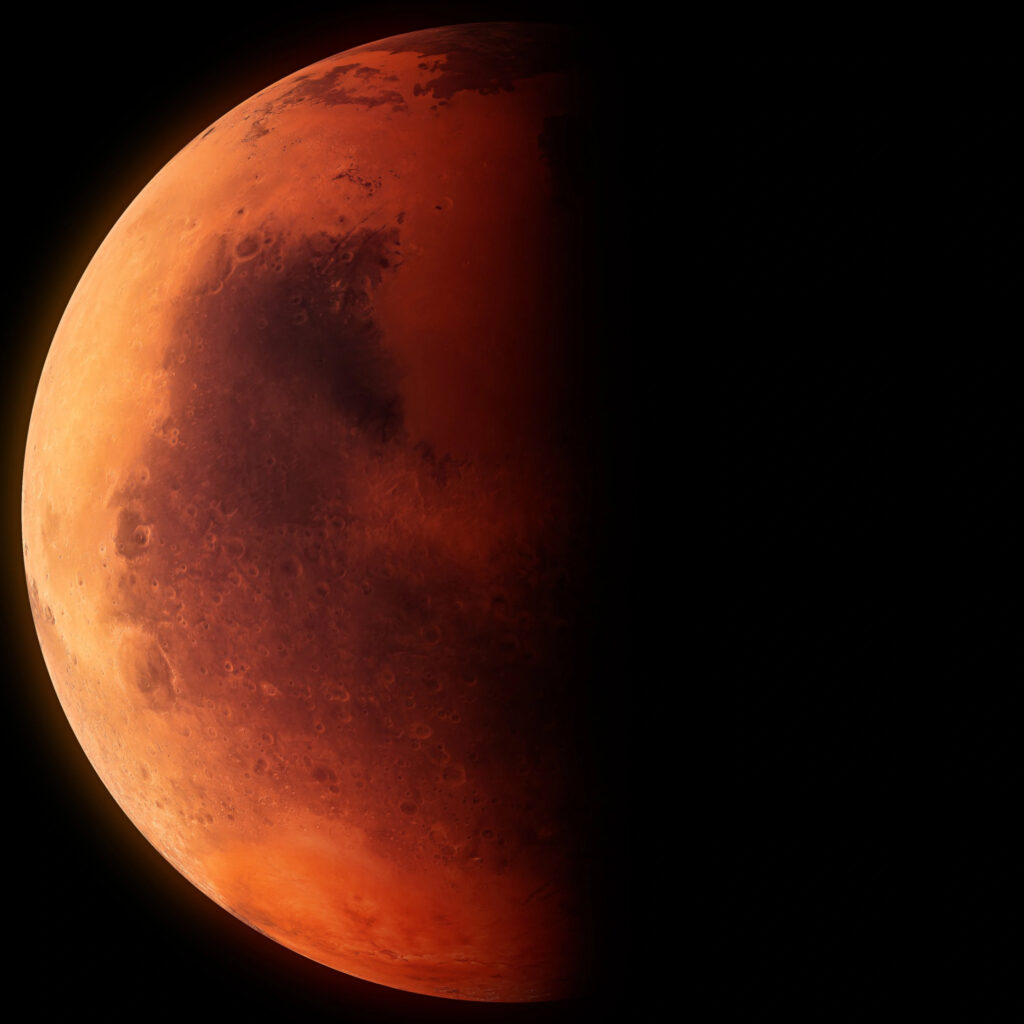
We all know that Mars is the most Earth-like planet in our solar system.
We’ve all heard the basics—red rocks, giant dust storms, and maybe, just maybe, some frozen water. We dream about colonizing it, sending people there, making it a second home.
But Mars is hiding immense secrets. Strange, unexplained phenomena. Clues about a past that might be very different from the barren wasteland we see today.
[the_ad id=”1089″]
Mars Was Once a Blue Planet
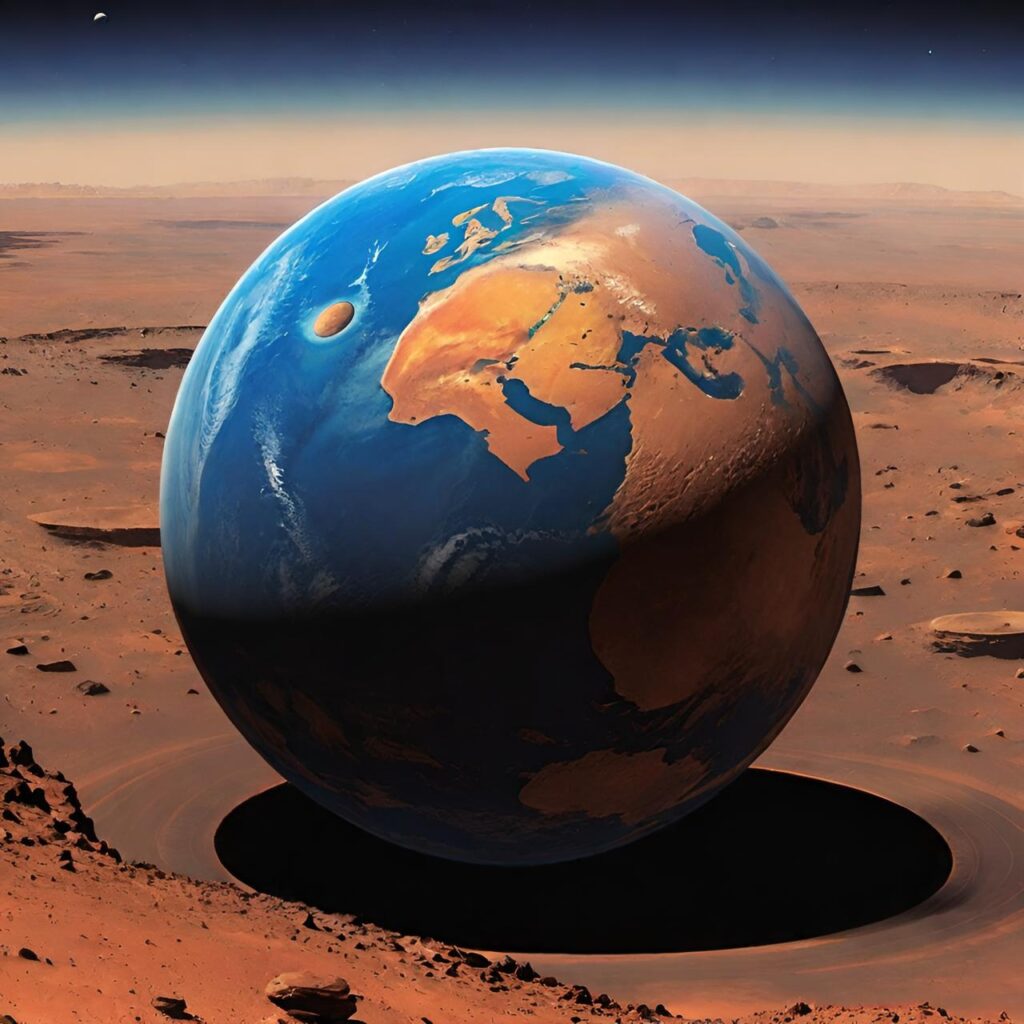
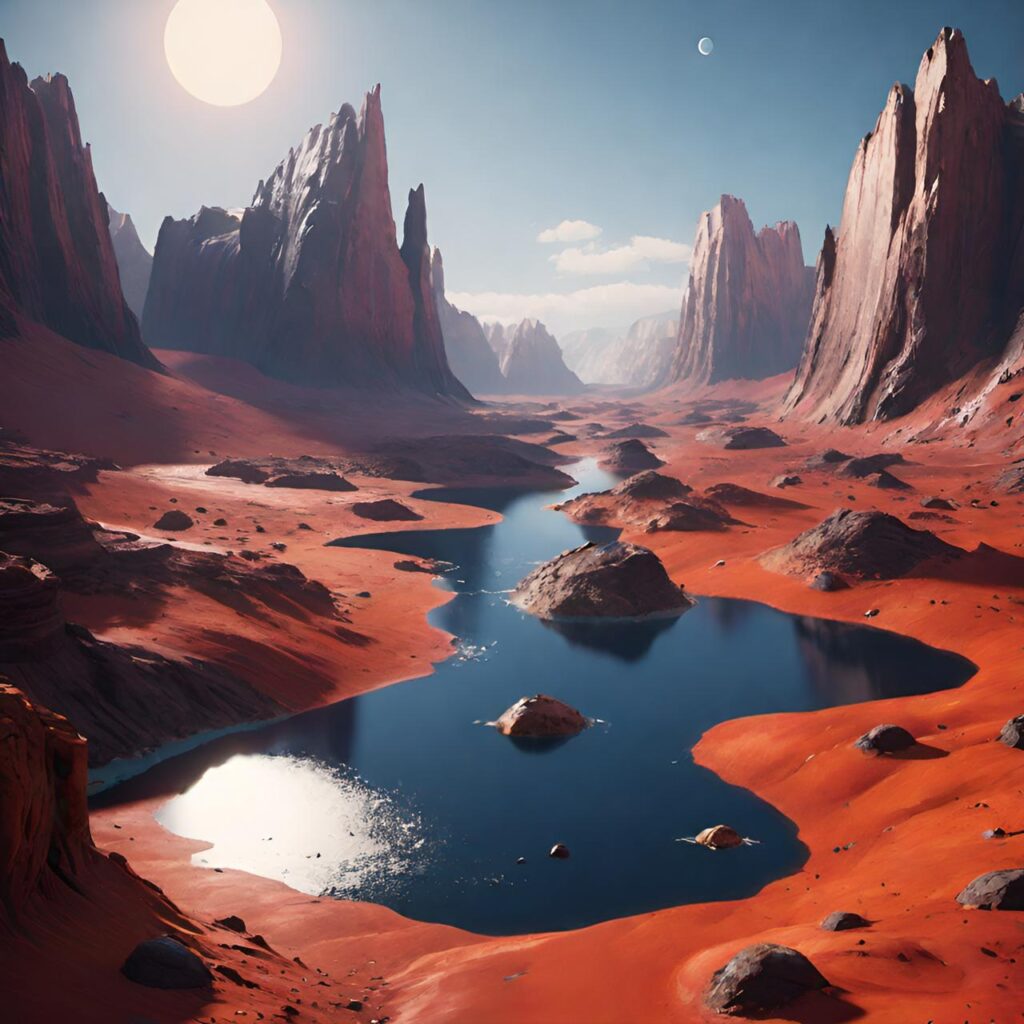
Billions of years ago, Mars had rivers, lakes, even an entire ocean covering its northern hemisphere.
It rained. It had clouds. And for at least a few hundred million years, it was warm enough for liquid water to flow freely. If life ever existed beyond Earth, Mars is one of the best places to look.
The Mystery of Mars’ Rust
Mars is red because its soil is packed with iron, which reacted with oxygen millions of years ago, covering the planet in a fine layer of iron oxide—what we call rust.
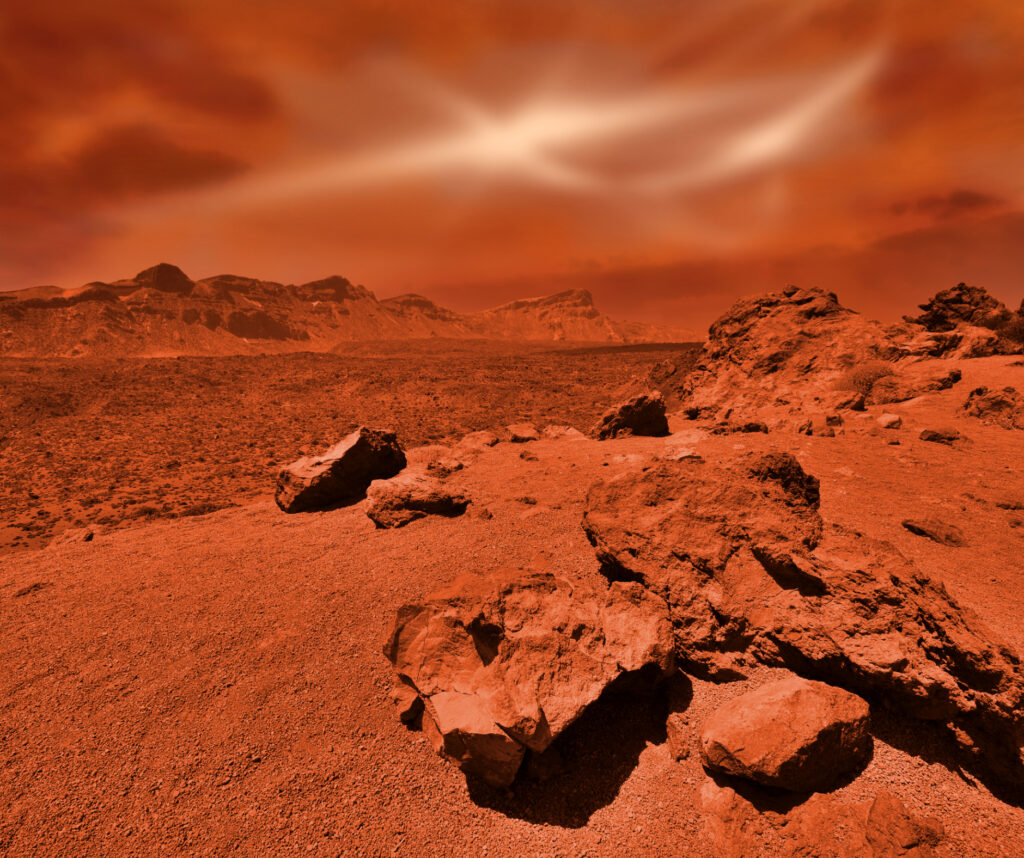
But here’s the strange part: where did all that oxygen come from?
[the_ad id=”1089″]
The Canyon That Dwarfs the Grand Canyon
Mars has a colossal canyon system that makes the Grand Canyon look tiny. Valles Marineris stretches over 4,000 km—that’s the width of the United States.
If you stood on one edge, you wouldn’t even see the other side.
Mars’ Sunsets Are Blue
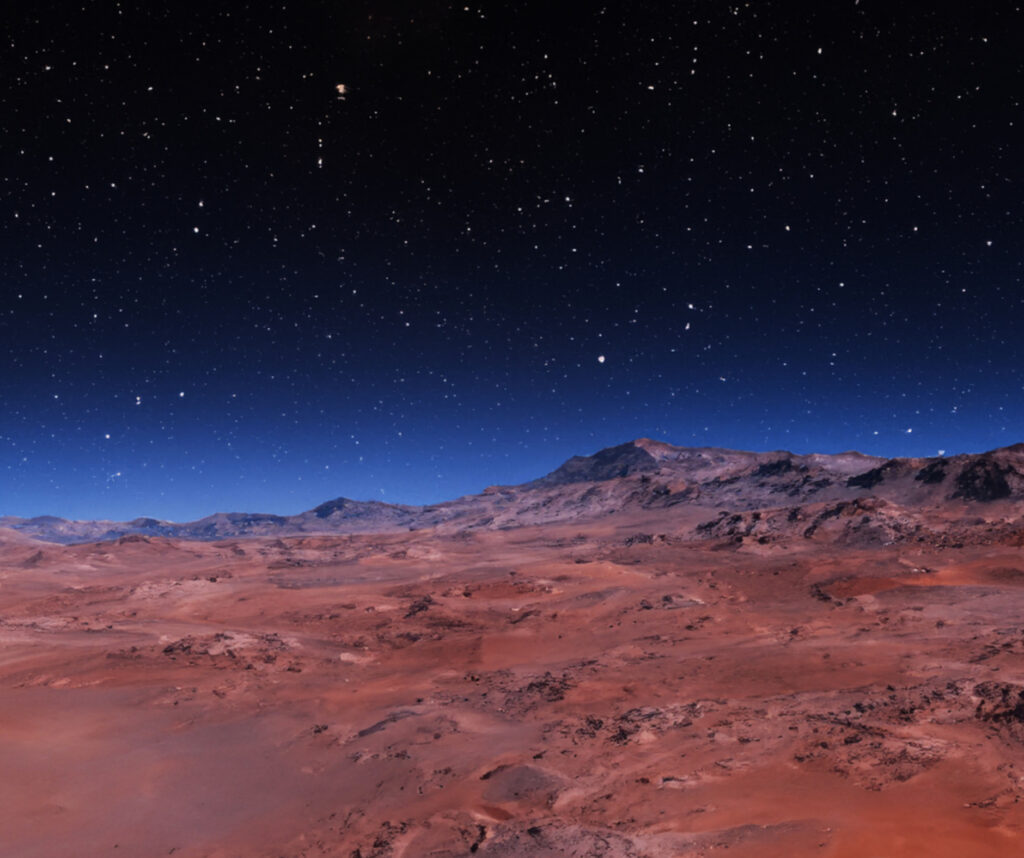
On Earth, we see golden sunsets because our atmosphere scatters blue light away.
But on Mars? It’s the opposite.
The fine dust in the air absorbs red light and scatters blue—so as the sun dips below the horizon, the sky glows in an eerie blue hue. A Martian twilight.
Mars Is Leaking Methane
That’s huge—because, on Earth, most methane comes from living things.
And on Mars, it appears in bursts—spiking and vanishing for reasons we don’t yet understand.
Could Mars Have Had Forests?
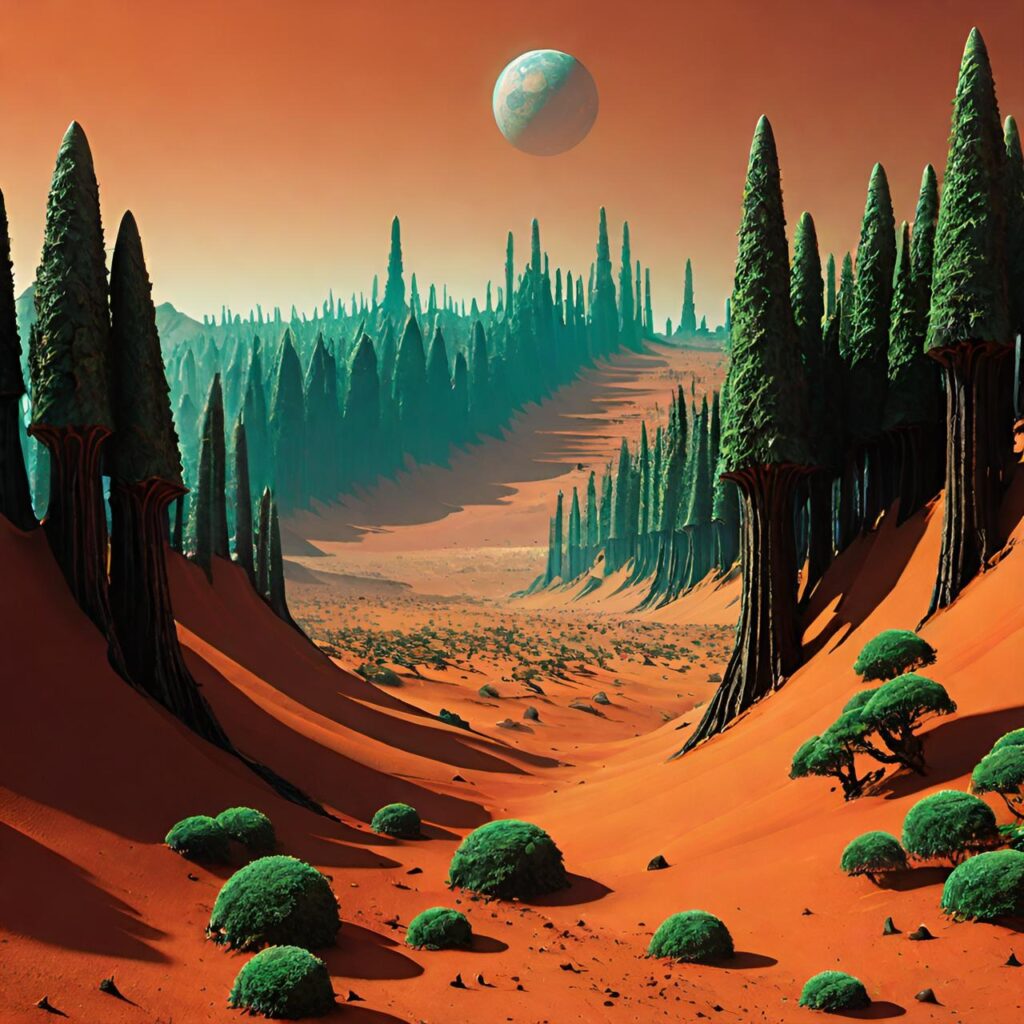
If Mars had rivers, lakes, and rain, then could it have had forests? Probably not. The atmosphere was always too thin for large plants.
But microbial life? That’s another question.
Does It Rain on Mars?
Not anymore. But once, Mars had clouds, rain, even snow.
Today, tiny snowflakes of dry ice (frozen carbon dioxide) still fall at the poles.
How Long Is a Day on Mars?
Surprisingly, almost the same as Earth. A Martian day is 24 hours and 37 minutes.
If you lived there, you’d barely notice the difference.
[the_ad id=”1089″]
How Far Away Is Mars?
At its closest, Mars is 55 million kilometers away.
Even with our best rockets, a trip would take around 7 months. So if you left today, you’d arrive just in time for next year’s Super Bowl.
It Looks Like a Desert, but Mars Is Freezing
At the equator, summer highs reach 20°C (68°F). But at night? -73°C (-99°F). And at the poles? Colder than Antarctica.
Where Did the Name ‘Mars’ Come From?
The Romans named it after Mars, the god of war—probably because of its blood-red color.
But other cultures saw it differently:
The ancient Egyptians called it “Her Desher”—The Red One.
The Chinese knew it as “The Fire Star.”
Gravity on Mars: Would You Feel Lighter or heavier?
Mars has 38% of Earth’s gravity.
If you weigh 100kg (220 lbs) on Earth, you’d weigh only 38kg (84 lbs) on Mars. You could jump three times higher.
Can You Light a Fire on Mars?
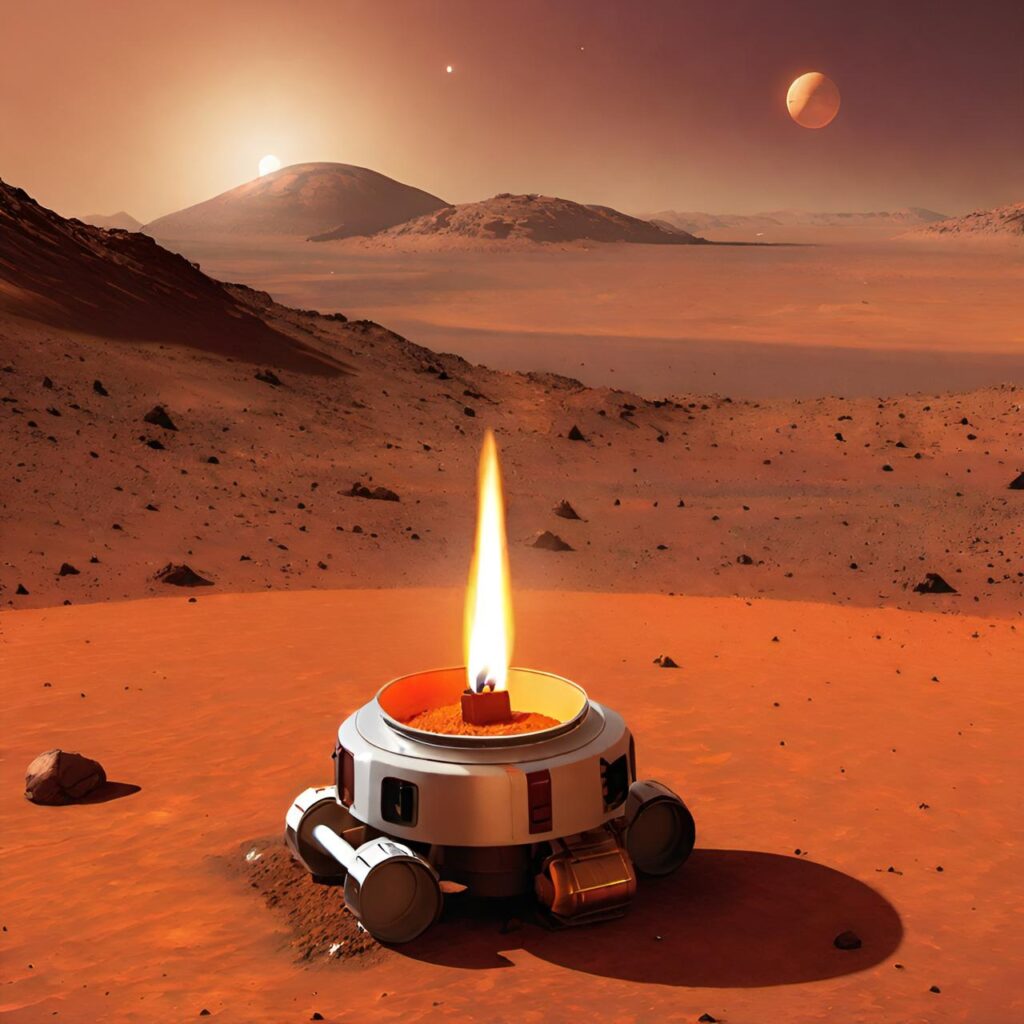
No. Fires need oxygen, and Mars’ atmosphere is almost pure carbon dioxide.
Even if you had a match, it wouldn’t ignite. If you want a campfire on Mars… you’ll need to bring your own oxygen.
Would a Thrown Object Go Faster or Slower?
Faster. With weaker gravity and less air resistance, a thrown ball would travel much farther than on Earth.
Can You Survive Without a Spacesuit?
Not even for a second.
Mars’ atmosphere is too thin to breathe. Within 15 seconds, your blood would start to boil.
The pressure is so low that liquids turn to gas instantly—including the moisture in your skin.
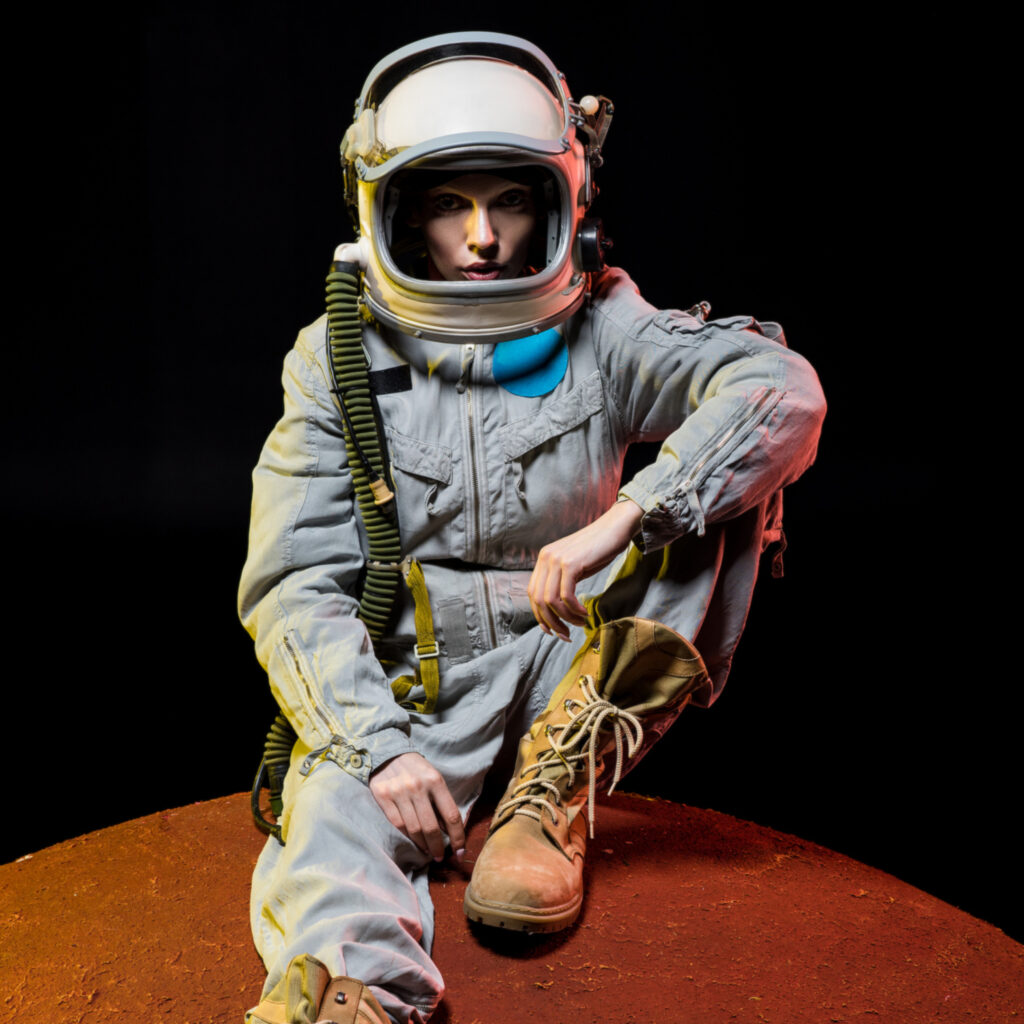
Mars: A Planet of Contradictions
Mars looks like a lifeless desert, yet once had oceans.
It’s frozen, yet its volcanoes might still be alive.
It’s silent… yet something beneath its surface is releasing methane.
Mars isn’t dead.
It’s waiting.